

Field Station, Hurricane Island
Category
InstitutionalAbout This Project
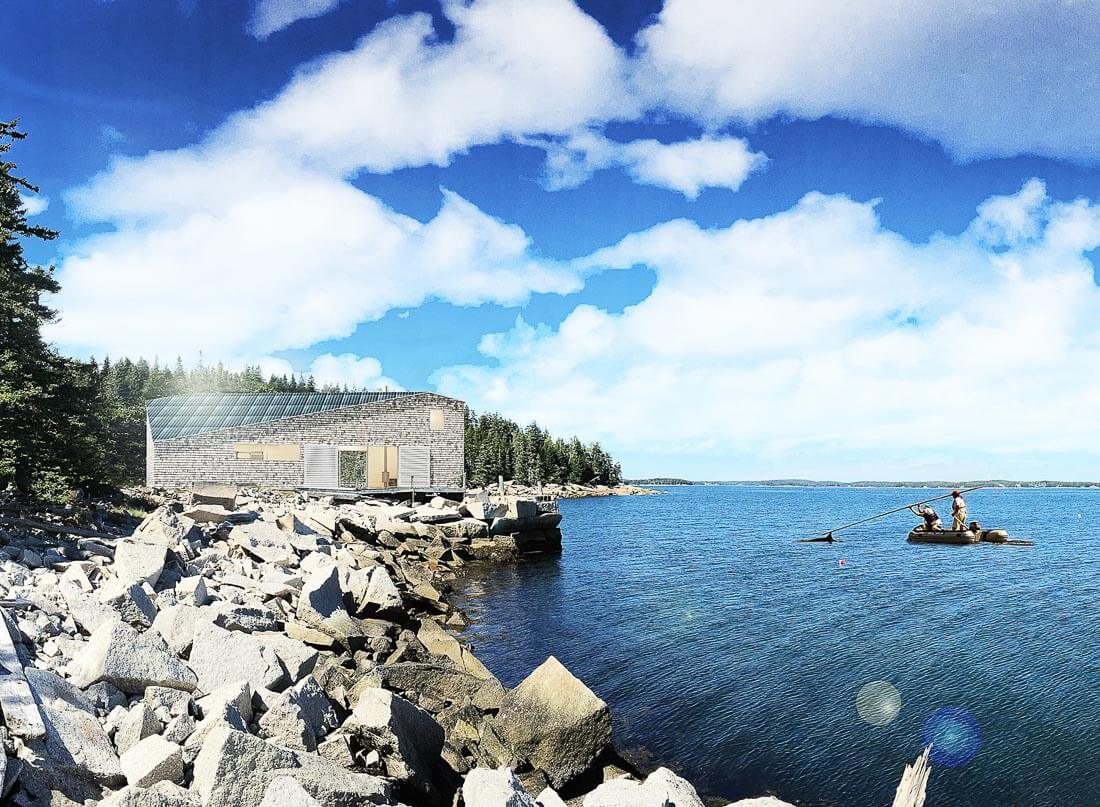
The Hurricane Island Foundation is a Maine-based nonprofit organization, incorporated in 2009, that provides outdoor- and adventure-education programs for youth and adults. At the Foundation’s request, GO Logic developed a master plan for its facilities on an island in Maine’s Penobscot Bay. The master plan, developed in collaboration with strategic planning consultants Phillip Conkling & Associates, assesses the potential for adaptive reuse of existing structures as an energy-independent island outpost hosting science and leadership programs. The plan addresses the challenges of developing sustainable and cost-effective energy, potable-water, and waste-disposal systems on a remote, rugged island, while reusing an eclectic group of seasonal structures to create comfortable, energy-efficient accommodations.
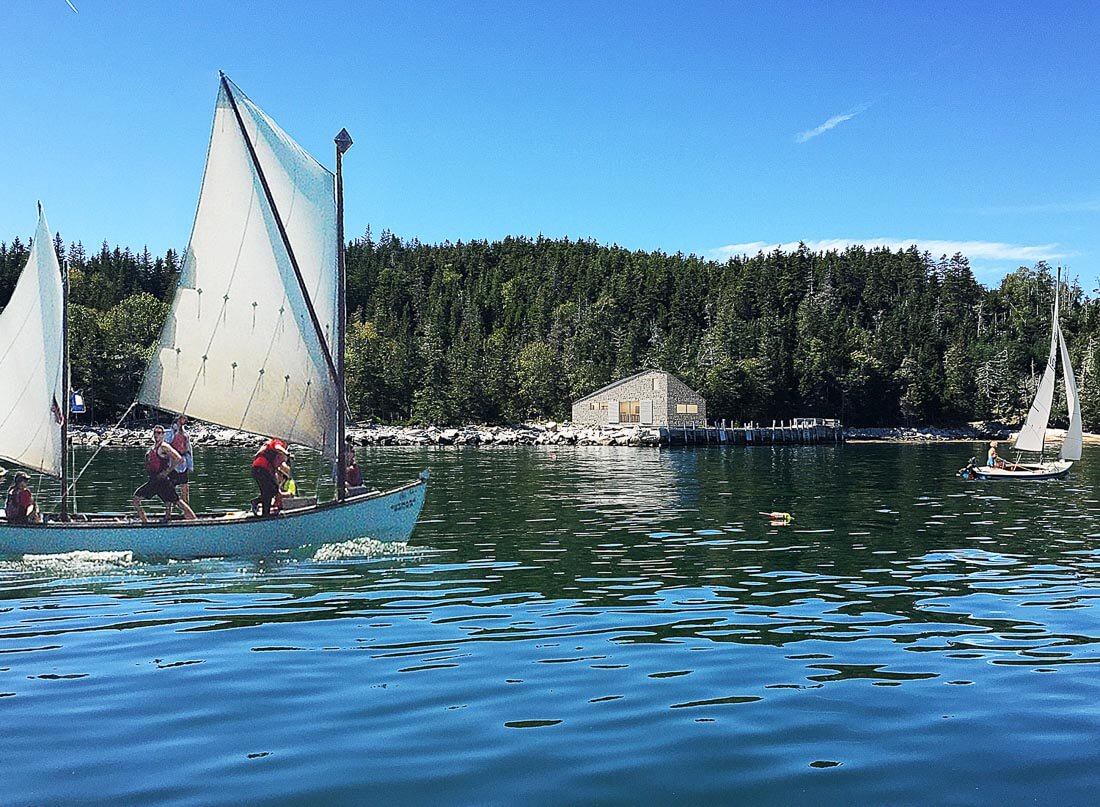
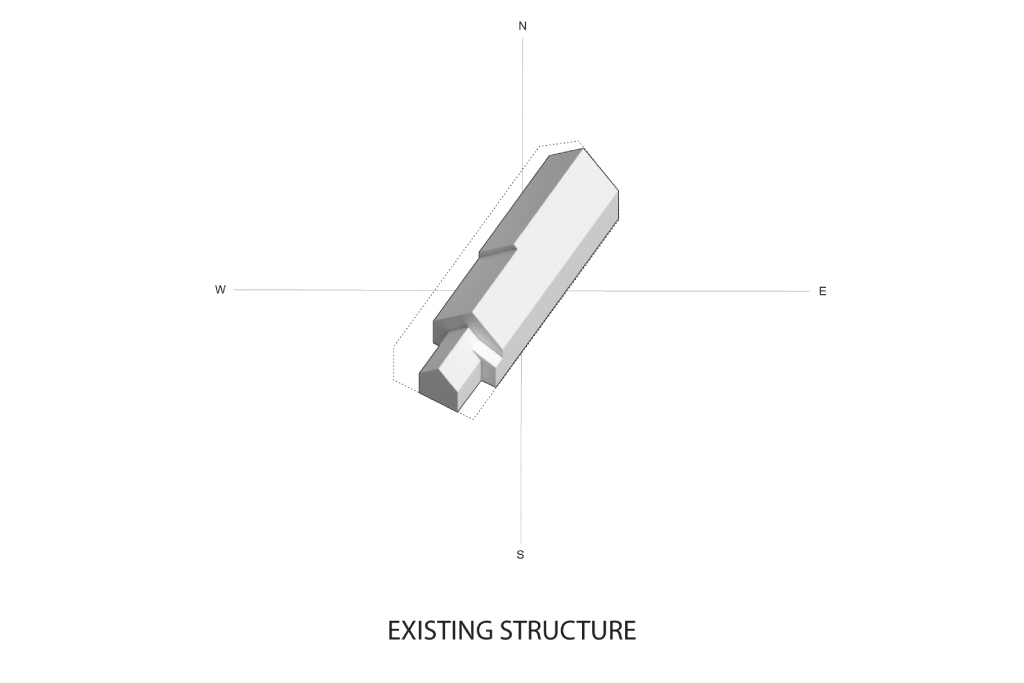
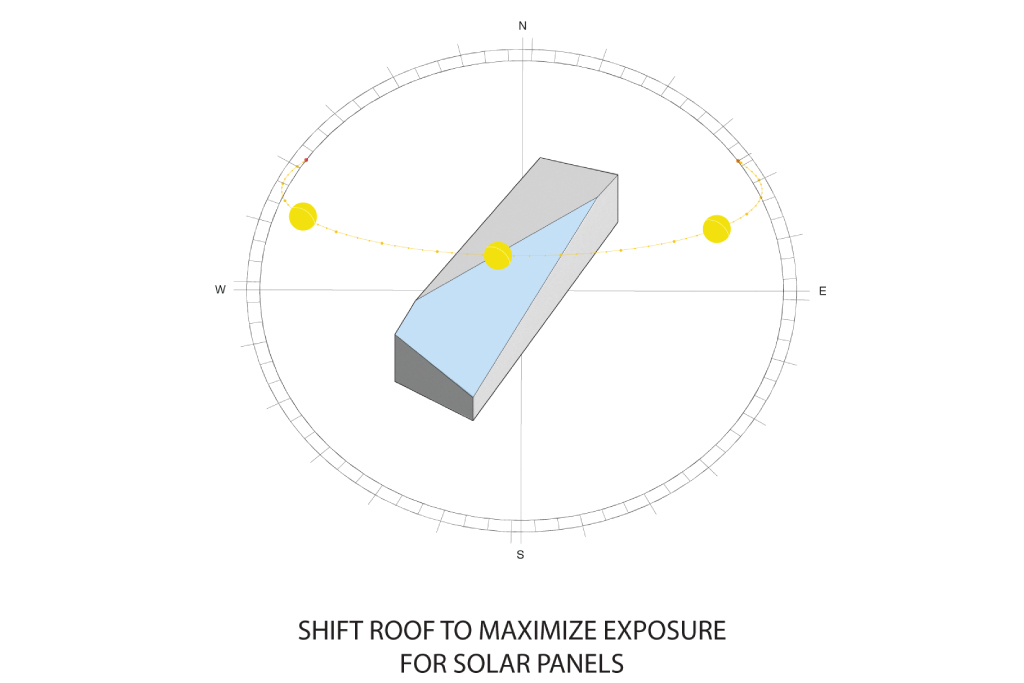
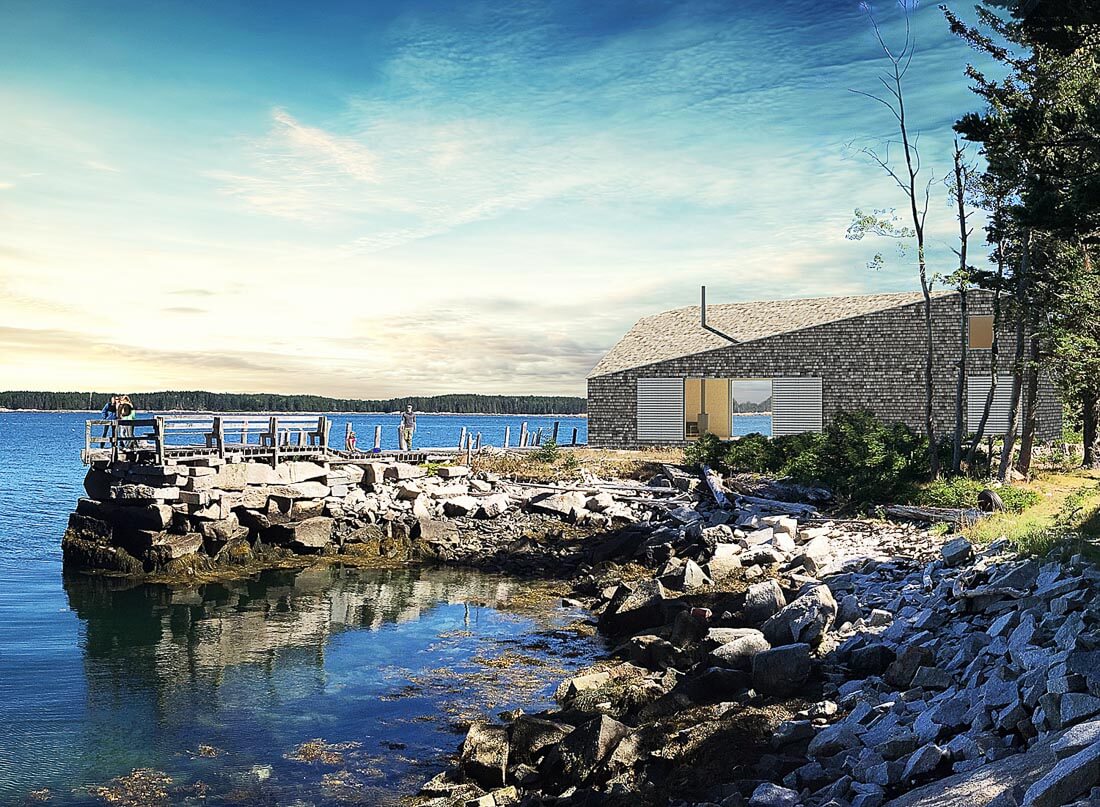
As the centerpiece of the program, GO Logic proposes a small field station that reuses an existing shorefront industrial structure dating from the island’s days as granite quarrying center. Currently used for storage, the structure is dilapidated and requires substantial reconstruction to serve its planned function as an educational facility. Because the island has no power grid, the building will have to produce its own electricity, but its orientation is less than optimal for roof-mounted photovoltaic panels, and its site lacks the potential for a ground-mounted array.
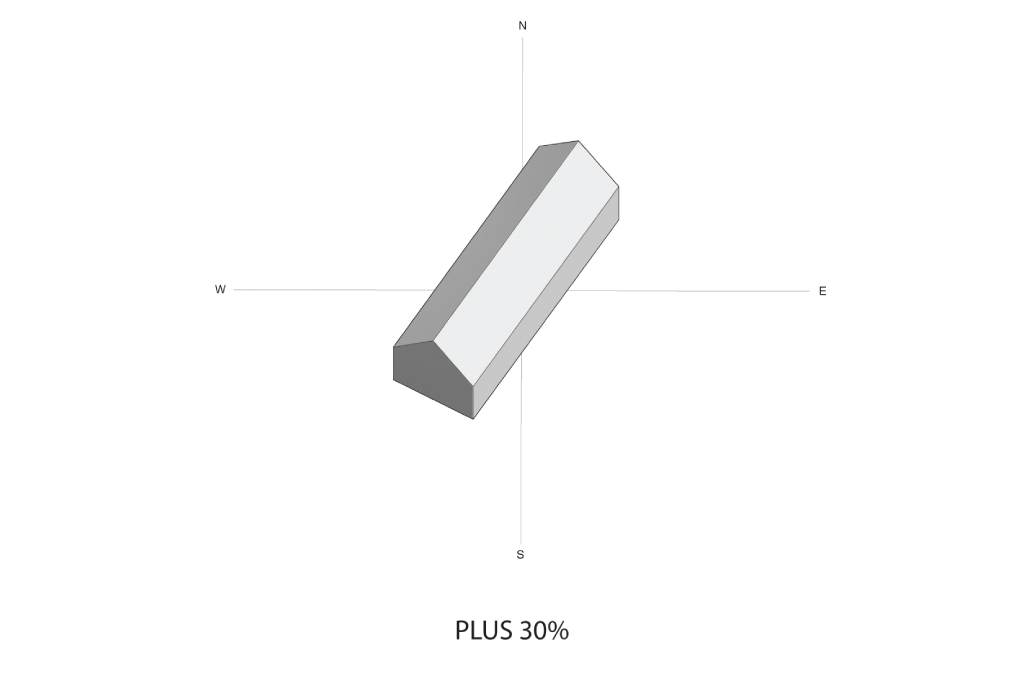
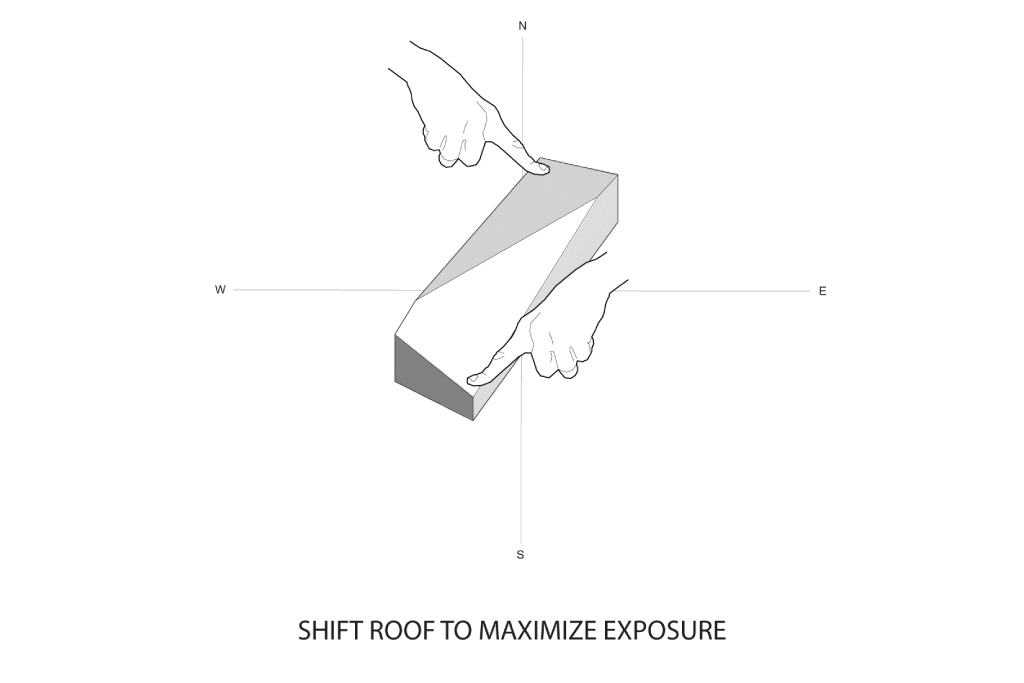
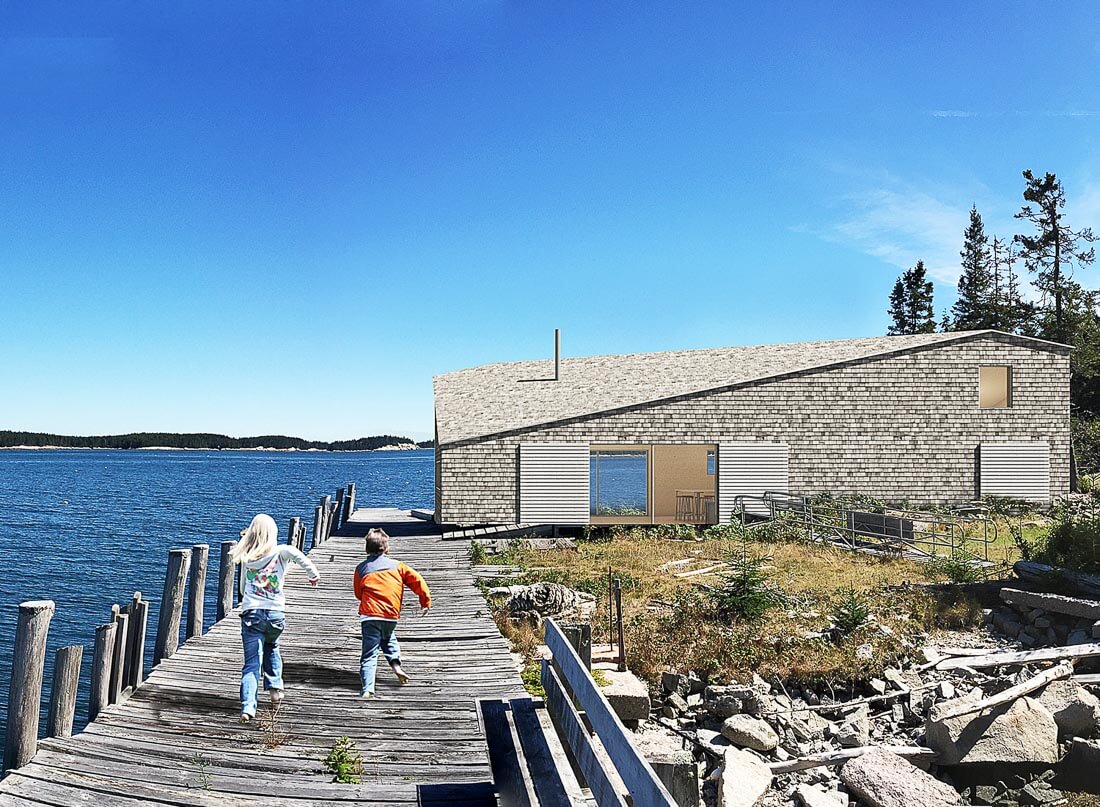
In compliance with shoreland zoning, our concept design proposes a 30 percent expansion of the building’s volume—accomplished by extruding an existing section profile along the entire footprint—and an efficient, open plan that accommodates gathering spaces, classrooms, offices, a laboratory, and a small kitchen. To improve the building’s solar-electric potential, we rotate the roof ridge independently of the footprint, creating a south-facing roof plane that will accommodate a photovoltaic array sized to meet the building’s energy requirements.
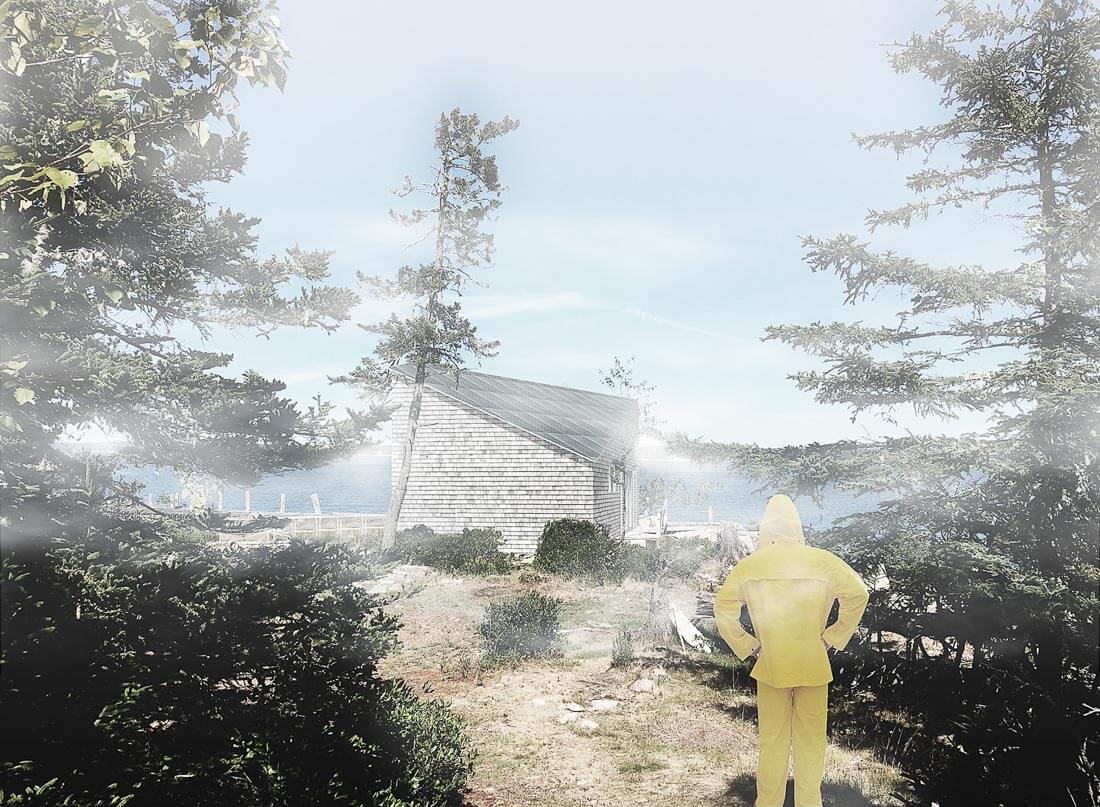
The result is a compelling, skewed roof form that expresses its function without altering the building’s existing footprint. The choice of cedar shingles for the exterior walls and roof, a proven response to such an exposed site, underscores the building’s historical connection to a bygone era of waterfront industrial activity.