

Sheldon Calvary Camp
Category
Institutional, Master PlanningAbout This Project
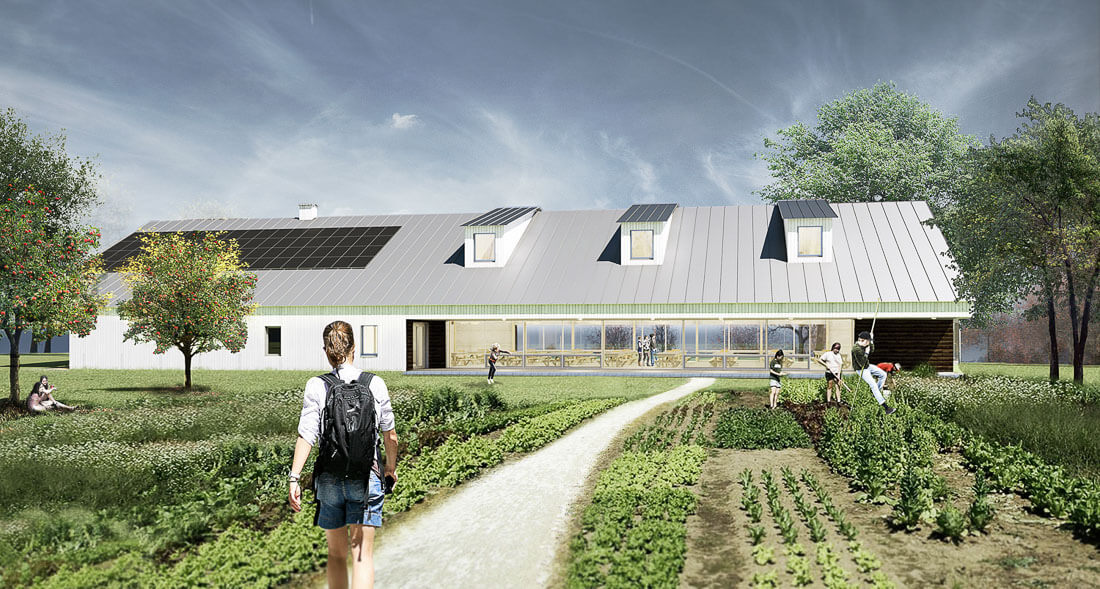
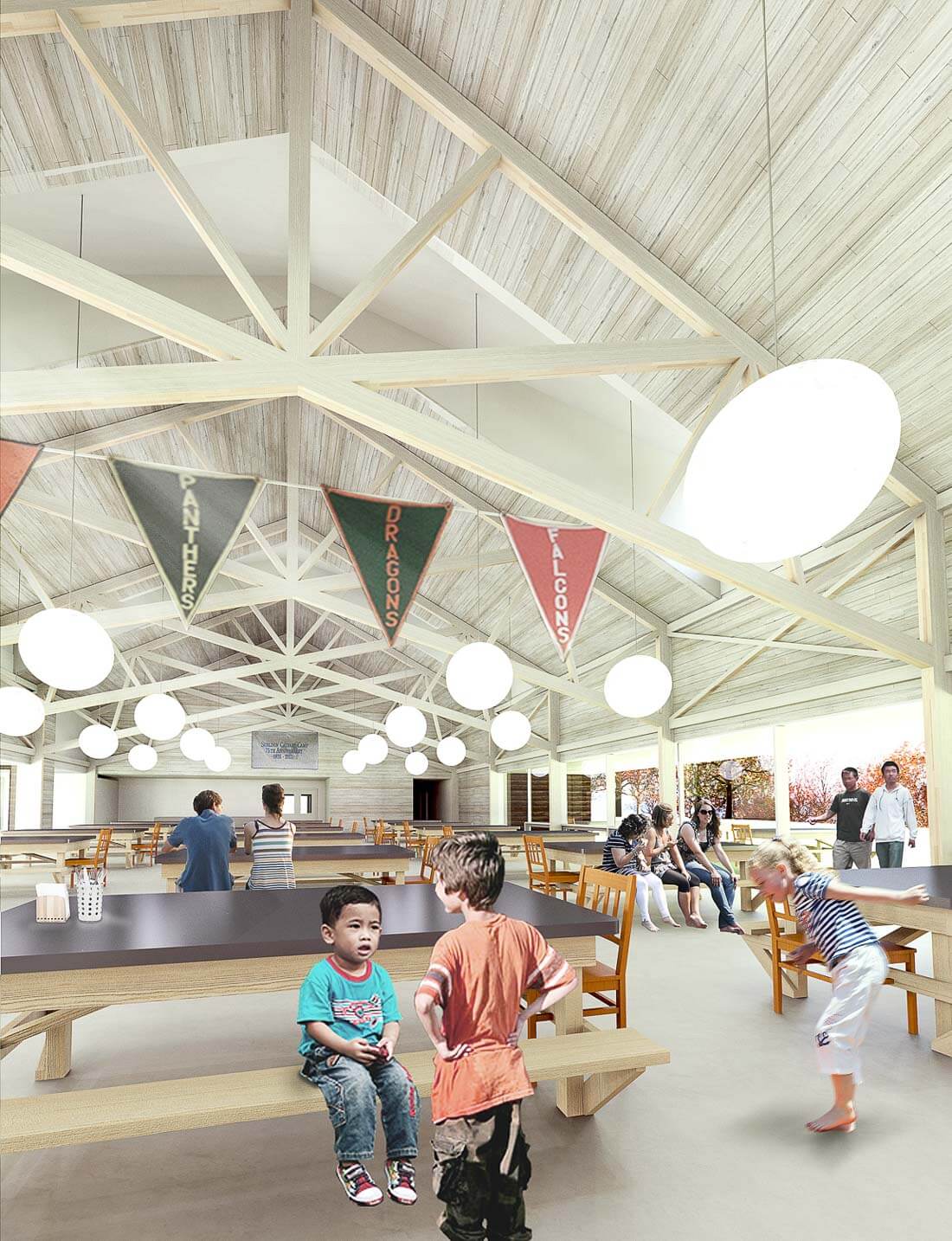
A contemporary interpretation of a classic summer camp building type, this 9,000-square-foot structure houses an airy, sun-filled dining space for 275 campers, a separate conference room, a commercial kitchen, and a full complement of office and support spaces. Designed following Passive House principles of energy efficiency and indoor air quality, the multipurpose building will carry on Calvary Camp’s longstanding traditions of communal dining and food preparation, while allowing it also to schedule programs year-round with minimal impact on its operating expenses.
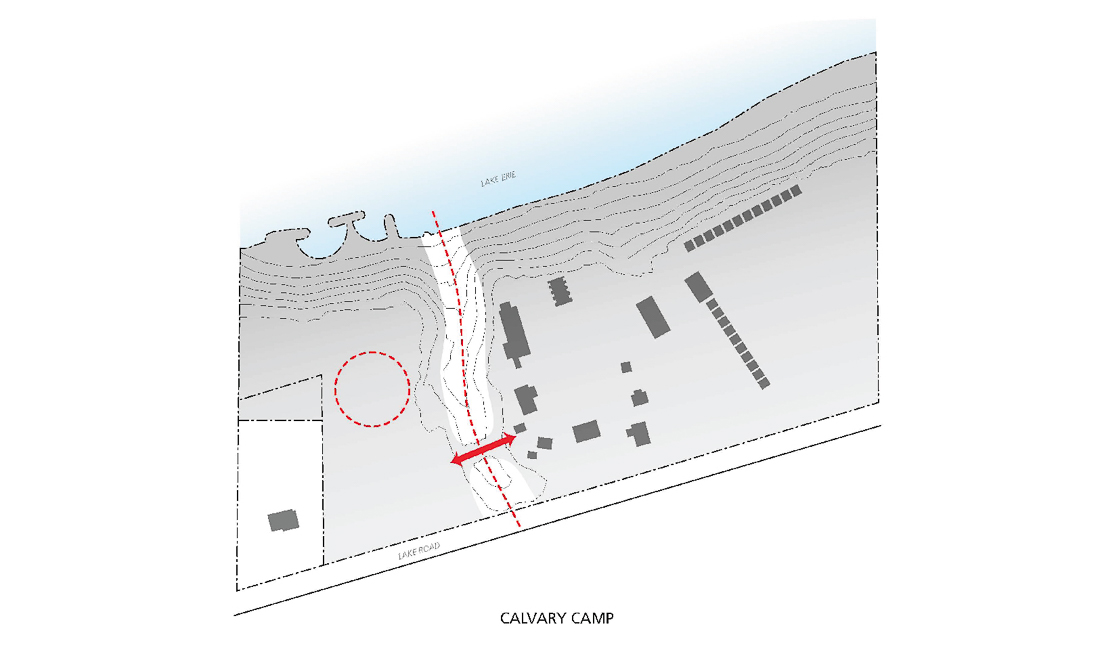
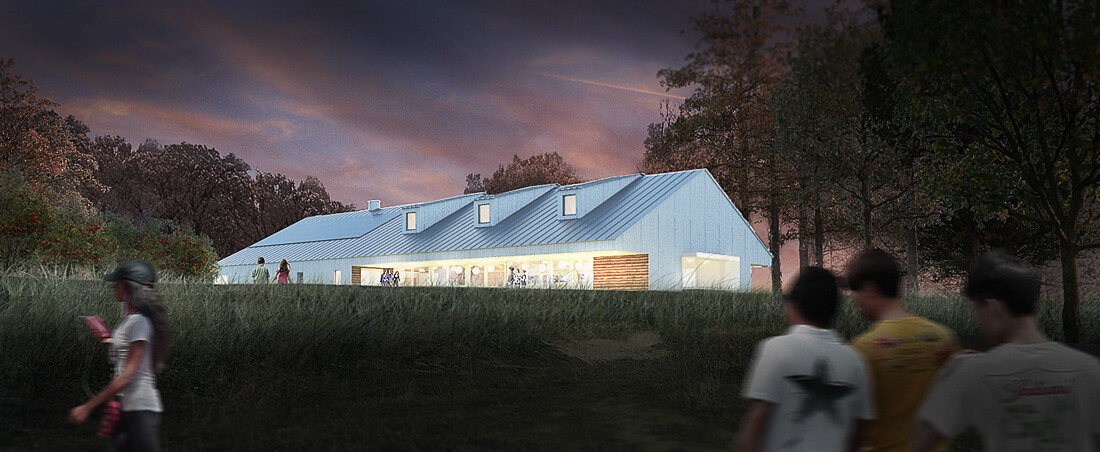
Established on the shores of Lake Erie in 1936 by the Episcopal Diocese of Pittsburgh, SCC offers youth and adult programs that strengthen community, faith, and connection to the outdoors. The new building replaces a much-loved dining hall that dates from before the camp’s founding, a lightly built structure that the camp will preserve and repurpose as a seasonal gathering place. With its whitewashed board-and-batten siding and low-pitched gable roof, our design reflects the charming summer-camp vernacular of its predecessor, and of the surrounding campus. White cedar log siding at buildings recessed porch areas are a nod to the camp’s iconic chapel building.
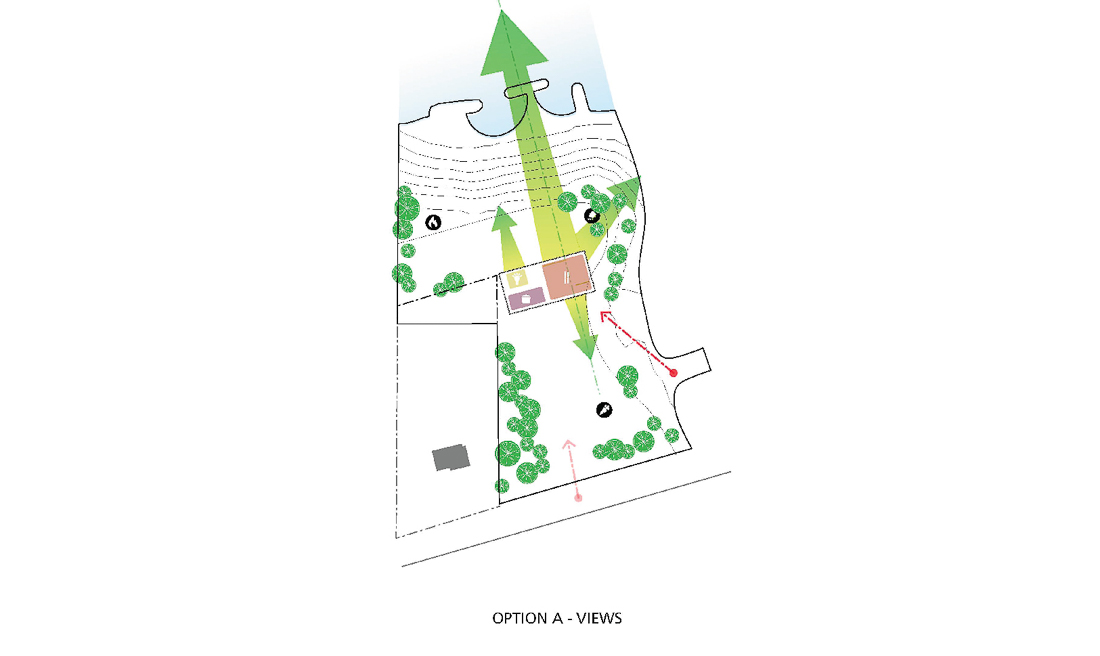
From the dining area, campers enjoy views of the lake to the north and the camp’s vegetable garden to the south. The efficient floor plan and large kitchen accommodate separate, simultaneous mealtime use by both summer campers and conference attendees. Conferences, retreats, and small weddings can occur during both the busy summer months and in the off-season, when the camp formerly went unused.
Long walls of screened sliding doors admit cooling lake breezes, giving the new building the same open feeling as its predecessor during the summer sessions, but a superinsulated building shell allows it to maintain comfortable temperatures year-round. A 10-foot-deep overhang shades its south-facing wall, blocking direct sunlight during the warmer months, but welcoming the lower-angle winter sun. The vaulted roof, a reference to the open framing of the original building, is topped by a trio of shed dormers that brighten the space overhead while also encouraging passive ventilation.
Our energy modeling, which assumes the use of electric heat pumps, indicates an annual heating cost of less than $1,000. Future installation of roof-mounted photovoltaic panels would reduce that figure to $0, while producing a surplus of energy for use elsewhere in the camp.